
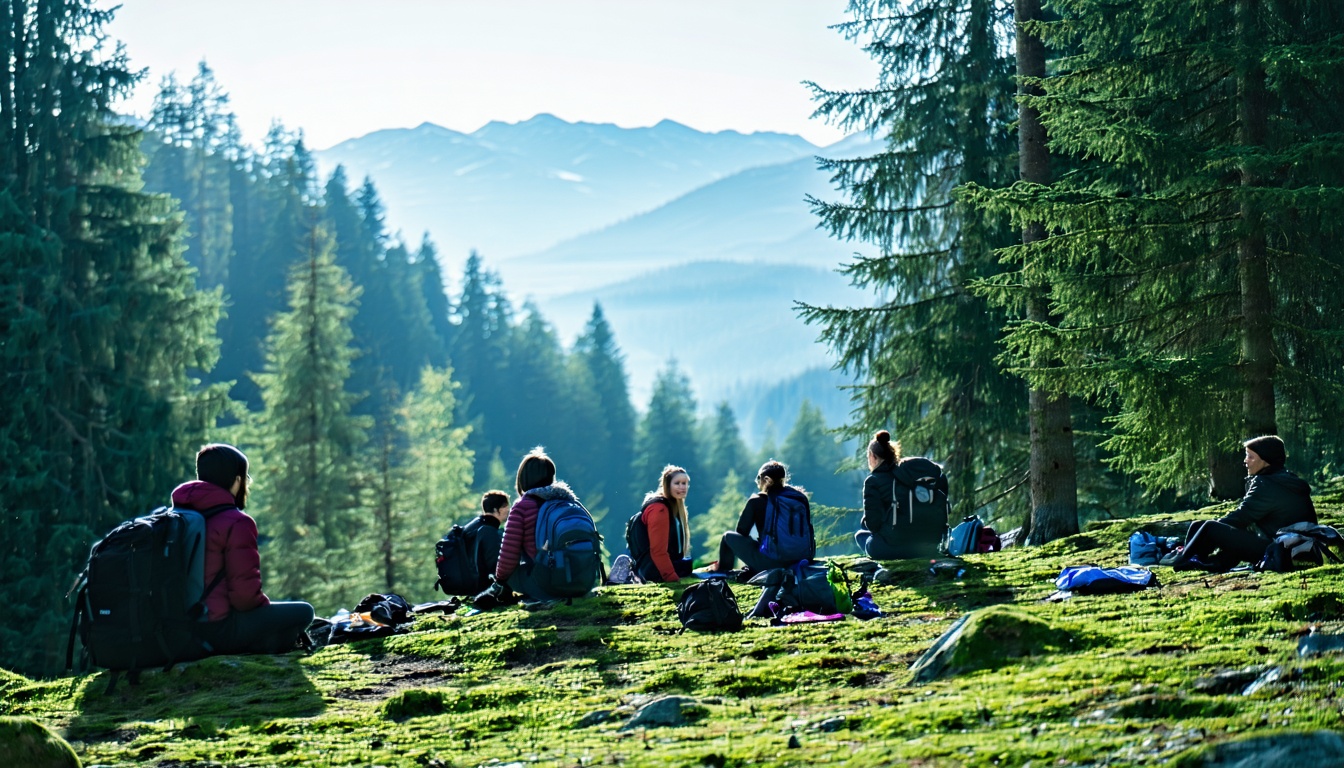
Understand wilderness therapy
If you have been exploring options for overcoming substance use and mental health challenges, you may have encountered the term wilderness therapy addiction in your research. At its core, wilderness therapy is a treatment method that immerses participants in natural outdoor settings, pairing physical challenges with therapeutic techniques. This approach can be particularly effective if you or your loved one is looking to leave negative patterns behind and rediscover healthier coping strategies.
Wilderness therapy programs typically involve trained mental health professionals, addiction specialists, and outdoor experts. This supportive environment is carefully structured to nurture trust, build resilience, and encourage self-reflection, so you can examine the underlying causes of your substance use and mental health struggles. Engaging in activities such as backpacking, hiking, or rock climbing can promote a sense of accomplishment that translates into day-to-day resilience once you return to a more conventional setting.
By moving away from the distractions of daily life, wilderness therapy offers you a chance to focus on personal growth. You learn how to handle difficult emotions, practice teamwork with peers facing similar issues, and develop confidence as you meet each unique challenge. Multiple studies have shown that wilderness-based interventions can reduce depressive symptoms, ease anxiety, and improve self-esteem for adolescents and adults alike (Grand Falls Recovery Center).
Explore the benefits for mental health and recovery
Fosters emotional resilience
Nature has a calming effect that directly impacts the brain, often leading to lowered stress levels. Studies from American Addiction Centers suggest that immersing yourself in an outdoor environment can reduce levels of cortisol (a stress hormone) and help stabilize mood. You might notice that during wilderness therapy, your mind feels clearer and more open to positive change. This shift can be instrumental if you are facing co-occurring conditions like depression or anxiety.
While traditional therapy sessions also encourage emotional healing, they often take place in office environments that may remind you of daily responsibilities and stressors. In wilderness therapy, stepping into nature’s wide expanses can simplify your perspective, minimize emotional clutter, and inspire deeper self-reflection. By focusing on survival skills or collaborative tasks with your peers, you are effectively guided to confront personal fears and anxieties in a safe, supportive space.
Reduces relapse triggers
Taking a break from the triggers in everyday life is a key advantage of wilderness therapy. If you have been struggling with relapse or fear that certain environments may jeopardize your progress, this nature-based approach can provide valuable relief. Engaging in activities like rafting or tending a campsite shifts your mental focus away from cravings and addictive thoughts. As you develop new interests and hobbies, you are less likely to turn to substances. This break from negative influences allows you to recalibrate and strategize healthier behaviors.
This is particularly powerful if you or your loved ones are concerned about specific substances. Whether you are dealing with opioid misuse or other substances, it is beneficial to pair wilderness therapy with structured follow-up care. For instance, you might combine your outdoor program experience with opioid addiction treatment upon returning home. By blending nature’s healing impact with medical or outpatient support, you will have a robust safety net that reduces your risk of relapse.
Strengthens social connections
Human bonding is another central element of a wilderness therapy experience. These programs typically place you in small groups, where you and others work together to set up campsites, cook meals, or navigate trails. Such collaborative tasks spark a sense of camaraderie, fueling open communication in group therapy sessions and forging deep connections that can carry forward into everyday life. Research confirms that shared outdoor experiences can produce mutual support, accountability, and friendship.
Moreover, the sense of belonging that often arises from these group dynamics can counteract the isolation you might have felt during active substance use. As you tackle hurdles together, you see firsthand that you are not alone in your journey. This supportive network of peers and mental health professionals can make all the difference when it comes to feeling understood, validated, and empowered to move toward your goals.
Recognize key elements of wilderness therapy
Physical activities and challenges
One of the distinguishing features of wilderness therapy is the emphasis on physical tasks. According to Leora Behavioral Health, the activities range from moderate hiking and nature walks to more challenging endeavors like rock climbing or rafting. You are encouraged to leave your comfort zone, face your fears, and discover inner strengths you may not have realized you had. The confidence you gain through conquering physical obstacles helps form healthy self-esteem, which is a critical component in resisting substance use.
Just as importantly, these challenges complement individual or group counseling sessions. For instance, if you struggle with negative thought patterns or overwhelming self-doubt, combining cognitive-behavioral therapy sessions with a day of hiking can help you apply new coping strategies. The physical obstacle becomes a metaphor for internal challenges, making the therapeutic breakthroughs more tangible and memorable.
Guided reflection and counseling
Wilderness therapy places a strong emphasis on introspection. A typical day may involve guided journaling or one-on-one discussions with a certified counselor. These sessions allow you to process your emotions, experiences, and progress in real time. Because you are in an environment without typical distractions such as social media or frequent phone notifications, it becomes easier to stay present and reflect more deeply on your personal journey.
Some programs also integrate evidence-based treatments like dialectical behavior therapy or cognitive behavioral therapy, which you might find especially beneficial if you are also exploring cognitive behavioral therapy addiction or dialectical behavior therapy addiction as part of your recovery plan. Tying classic therapeutic practices to the wilderness environment can accelerate your progress by reinforcing healthy coping skills every day.
Community building
Group discussions and community-focused tasks are pivotal in many wilderness therapy programs. According to Robert Alexander Center, sharing responsibilities fosters transparency and mutual trust among participants. You might find yourself sharing a personal struggle around the campfire, followed by offering support to a peer who is facing a similar issue.
This communal exchange promotes sustained motivation. Because everyone understands the gravity of addiction and mental health battles, you are more inclined to hold each other accountable. For many participants, group unity becomes a cornerstone of long-term recovery, helping them remain committed to healthier habits once they leave the wilderness program.
Compare wilderness therapy with traditional approaches
You may wonder how wilderness therapy differs from more familiar treatment methods. In many ways, it stands out by placing you in direct, continuous contact with nature for an extended period. Traditional therapy usually takes place in weekly or biweekly sessions in a clinical environment, requiring you to integrate newly learned skills into your daily life on your own.
In contrast, wilderness therapy offers:
- Immersive setting: You are removed from your usual triggers and distractions, heightening your focus on healing.
- Immediate application: Skills learned in counseling can be practiced right away as you solve real-life challenges, such as navigating steep trails or collaborating with peers.
- Team-building: You spend a significant amount of time with others, fostering deeper bonds and a more intensified sense of group support.
- Physical health benefits: Activities like hiking or camping can improve your overall fitness, boost endorphins, and help regulate sleep patterns.
A short comparison can highlight these differences more clearly:
| Aspect | Wilderness Therapy | Traditional Therapy |
|---|---|---|
| Setting | Natural, outdoor environment with minimal distractions | Office or clinical setting with scheduled sessions |
| Duration | Often structured as multi-week or multi-day immersion | Typically 1-hour sessions weekly or biweekly |
| Approach | Experiential, combining therapy with physical challenges | Talk-based, focused on verbal processing |
| Group Dynamics | High level of peer collaboration and shared responsibilities | May or may not provide group sessions |
| Key Benefits | Builds resilience, self-esteem, team spirit, real-world moves | Targets emotional and mental processes through dialogue |
Each approach comes with unique strengths. You might opt to use wilderness therapy as part of a comprehensive treatment strategy that includes standard outpatient programs or structured outpatient recovery program. Such an integrated plan can ensure you receive the specialized attention you need both emotionally and physically.
Discover how to choose a program
Evaluate qualifications and safety
Choosing a wilderness therapy program that truly meets your needs often begins with confirming its safety standards and staff qualifications. Because outdoor activities carry inherent risks, it is vital to ensure that the program follows recognized guidelines and employs certified professionals. This includes mental health counselors who specialize in addiction and co-occurring disorders, as well as experienced outdoor guides who are trained in first aid and risk management.
If you are specifically dealing with a complex history of substance use or mental health conditions like trauma or severe depression, you should inquire about the program’s ability to handle medical emergencies, detox support, or intense emotional episodes. Understanding how the staff balances compassion with safety can help you decide if the program aligns with your comfort level and goals.
Align therapy with your personal goals
Wilderness therapy encompasses a broad range of styles. Some programs emphasize adventure-based learning—intense physical challenges like rock climbing or white-water rafting—while others gravitate more toward nature walks, mindfulness, and reflection. Think carefully about what resonates with you. If high-adrenaline activities sound more appealing, you might find that adventure-focused therapy fosters the sense of accomplishment you need to restore self-confidence. Alternatively, if you prefer calmer, slower-paced approaches, you could benefit from programs emphasizing guided meditation, journaling, and gentle trail hikes.
Additionally, consider any specialized therapies you might need. For example, if you are dealing with unresolved trauma, you may benefit from combining wilderness therapy with trauma informed addiction therapy. Similarly, if you have strong spiritual beliefs, some nature-based programs can incorporate themed elements resembling faith based recovery support. Tailoring the program to your identity, comfort, and interests ensures you gain the most value from your outdoor experiences.
Consider transition planning
You will want to look closely at how a wilderness therapy program manages the transition back to daily life. Acquiring new coping skills or emotional insights in nature is wonderful, but you must integrate them effectively once you return to your home, job, or community. Thorough programs will include an aftercare plan that might recommend continuing therapy, support groups, or outpatient treatments. For instance, as you complete a wilderness therapy program, maintaining progress with ongoing solutions like relapse prevention therapy could help solidify healthy lifestyle habits.
This transition planning becomes even more critical if you have obligations such as family responsibilities or justice-involvement requirements. The emotional stabilization you gain from wilderness therapy must be nurtured in everyday structures to make your progress sustainable. Ideally, your chosen program will collaborate with you, setting realistic goals and creating a reliable support network for your post-wilderness journey.
Why choose New Hope Community Service Center
When so many options exist, you deserve a trusted provider that offers industry-leading evidence-based, culturally competent substance use and co-occurring mental health treatment. At New Hope Community Service Center, we understand that recovery is a deeply personal process. If you or a loved one are navigating addiction or mental health struggles, it can be daunting to select the right kind of therapy.
Our philosophy places a priority on respect and personalized care, striving to meet you wherever you are on your recovery path. Here is how we stand apart:
- Holistic approach: We recognize that each person’s situation is unique. We have expertise in creating individualized treatment plans that might combine nature-immersion elements, specialized therapies, or structured outpatient programs. Because you may be grappling with more than one concern—like anxiety, depression, or justice-involvement issues—we carefully assess your circumstances to develop a plan that covers all aspects of your well-being.
- Evidence-based options: Our commitment to clinical excellence means you gain access to therapies backed by research, whether you decide to follow a wilderness program, evidence based addiction therapy, or other proven treatments. We have seen first-hand how these approaches foster emotional healing, reduce relapse risks, and bolster your sense of accomplishment.
- Comprehensive continuum of care: Your healing does not end the moment you step out of a treatment program. Our goal is to be there for you through every stage of recovery, from initial detox support to long-term wellness. Whether you need heroin addiction treatment, help with mental health counseling, or specialized services like gender specific addiction groups, you will find an option that works for your circumstances.
- Support for justice-involvement: If you or a loved one has legal obligations or is currently under court supervision, we can tailor treatment to meet those requirements in a way that respects your dignity. We aim to reduce barriers to care and help you move toward a more stable, healthy future.
- Empathetic environment: Throughout our programs, our team emphasizes trust, mutual understanding, and compassion. Many individuals who come to us have faced stigma, isolation, or fear, and our priority is to provide an environment where you feel safe to heal.
By choosing New Hope Community Service Center, you join a network of individuals invested in lasting change. Whether or not you opt for a wilderness-based approach, we strive to ensure you receive the blend of therapeutic interventions that resonate with your personal story. We are here to help you harness the powerful combination of evidence-based practice, empathetic guidance, and ongoing community support.
Frequently asked questions
- How long does wilderness therapy usually last?
Most wilderness therapy programs range from a few days to several weeks. Longer programs often provide deeper immersion and more substantial changes in behavior and mindset, according to research published by NCBI. However, the ideal duration differs from person to person. Your medical condition, treatment goals, and personal circumstances can all play a role in determining the most suitable timeframe. - Is wilderness therapy safe for individuals in withdrawal?
Safety is a primary concern for anyone transitioning out of substance use. While wilderness therapy can offer a highly supportive environment, individuals experiencing severe withdrawal symptoms might first need medical stabilization. A supervised detox or an outpatient hospital program could be recommended before heading into the wilderness portion of treatment, particularly in cases involving alcohol addiction, where withdrawal can become medically dangerous without proper supervision. Ensuring you are stable enough for physical tasks is vital.
- Will I lose access to technology completely?
Many wilderness therapy programs intentionally limit or ban personal electronic devices to help participants focus on self-reflection, nature-based tasks, and group interactions. While this digital-detox aspect might feel daunting at first, it is often one of the biggest benefits for promoting emotional clarity and stress reduction. If you have pressing personal or professional responsibilities, programs may allow occasional, scheduled phone or internet use with staff supervision. - Is wilderness therapy covered by insurance?
Insurance coverage can vary widely based on your plan and the specific therapy provider. Some insurers recognize the benefits of nature-based programs, particularly if these programs use evidence-based interventions that qualify under general mental health coverage. As you research different programs, be sure to check whether they fit your network and what forms of payment are accepted. - How can I maintain progress after wilderness therapy?
Transitioning back to daily life is a vital part of the healing process. Many programs provide aftercare recommendations like continuing outpatient therapy, joining support groups such as peer support addiction groups, or collaborating with a local counselor. You can also reinforce new habits by staying in contact with any peers you bonded with during wilderness therapy. The combination of supportive relationships and structured follow-up can fortify the progress you made outdoors.
Wilderness therapy can be a valuable component of your journey toward sobriety and emotional well-being, allowing you to step away from your everyday pressures and reconnect not only with nature but with yourself. Whether you are battling opioid misuse or coping with co-occurring mental health disorders, the immersive experience in a natural setting can serve as a powerful catalyst for growth.
At New Hope Community Service Center, we encourage you to explore this approach if you believe it aligns with your needs. From wilderness-based immersion to more traditional clinical therapies, our goal is to offer a holistic path toward long-term wellness. We stand ready to support you or your loved one every step of the way, ensuring that every aspect of addiction and mental health is addressed with compassion and evidence-backed strategies.


