
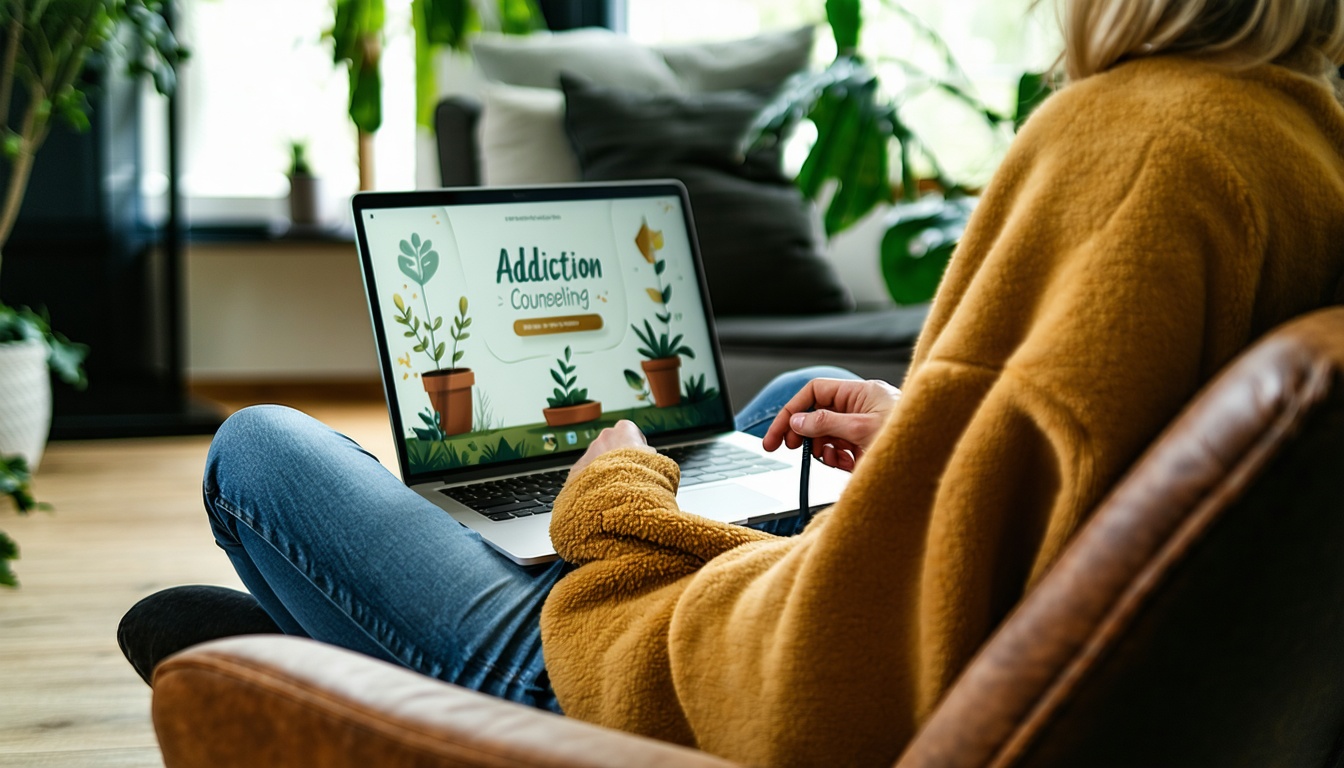
Understanding telehealth addiction counseling
Telehealth addiction counseling allows you to receive professional support for substance use issues using secure, remote communication methods such as video calls or phone consultations. Whether you live in a remote area, have limited mobility, or struggle with fitting in-person appointments into your schedule, this form of counseling can be a life-changing alternative. At New Hope Community Service Center, our goal is to offer compassionate and comprehensive care, so you can access the help you need in a way that feels comfortable and convenient for you.
When you or a loved one wrestles with substance use, finding a supportive and empathetic environment is key to successful treatment. Telehealth bridges the gap between professional care and daily life. Often, societal pressures, work commitments, or family responsibilities can create barriers to attending in-person sessions. Telehealth reduces these obstacles, letting you talk openly with therapists, counselors, or support groups from the security of your own home. For many individuals, this more flexible approach increases comfort levels, encouraging honest discussions about personal challenges.
Recent research underscores the many advantages of telehealth as a viable treatment option for individuals facing substance use disorders. In one study, 90% of participants reported appreciating the ability to attend therapy from home, while 83% cited saving time on commuting as a significant benefit (PubMed). Additionally, more than 85% of participants were satisfied with telehealth services, indicating that remote sessions can meet, or even surpass, the effectiveness of traditional face-to-face visits.
At New Hope Community Service Center, telehealth addiction support is part of a broader range of evidence-based programs, including medically assisted detox and group therapy substance use. Our belief in individualized treatment means we tailor each telehealth session to reflect your unique history, circumstances, and goals. Whether you’re just beginning therapy or looking to transition from an in-person service, remote counseling can serve as a standalone treatment or be integrated into an existing outpatient plan.
Recognizing the benefits of distance-based care
There are many reasons why telehealth addiction counseling has become increasingly popular, ranging from improved privacy to enhanced continuity of care. Understanding these benefits provides clearer insight into how remote support can pave the way for meaningful progress.
Increased accessibility and convenience
For many people struggling with addiction, accessibility challenges can stall or interrupt the recovery process. Telehealth eliminates the need for costly or time-consuming commutes, especially in areas without reliable public transportation. This is particularly important for those living in rural or underserved regions, empowering them to connect with the best available treatment options regardless of where they reside. In addition, scheduling appointments around your existing commitments is far more flexible. You can make time for therapy without sacrificing family obligations, job responsibilities, or other important aspects of your routine.
These conveniences can help you remain engaged in long-term treatment. Studies have highlighted how flexibility and convenience can increase retention rates, making it more likely for you to complete the full course of counseling. Participants who can attend therapy without worrying about lengthy commutes or time off work tend to feel less stress and are able to fully concentrate on their personal growth.
Heightened sense of privacy and comfort
Receiving care in a familiar environment can reduce the fear of judgment, particularly if you face social stigma or misinformation about addiction. Telehealth sessions, conducted from the comfort of your home, can lower stress barriers that might otherwise deter you from seeking help. A study found that one of the chief benefits of remote therapy is its privacy, which often eases feelings of vulnerability and encourages more candid discussions (Impact Outpatient Program).
At New Hope Community Service Center, we believe that nurturing trust and open communication is essential to creating a supportive environment. Telehealth, by its very nature, feels less intimidating for some individuals. For instance, you never have to worry about running into someone you know in the waiting room. This sense of safety can lay the groundwork for deeper, more honest conversations, helping you and your counselor pinpoint core issues more quickly.
Flexible treatment options
Telehealth offers a wide range of formats, from one-on-one therapy to group sessions. As a result, you can find the level of care that complements your specific recovery stage. Some individuals begin with an intensive form of remote support, then transition into a lower-intensity format after achieving some stability. Others split their sessions between telehealth and in-person services, using remote consultations as a bridge to maintain momentum between traditional appointments.
Flexibility extends to all facets of addiction care. If you need more structured, daily interventions, you might combine virtual counseling with our partial hospitalization program php. Meanwhile, if your responsibilities at home or work are extensive, you can choose weekly or biweekly check-ins that adapt to your schedule. Ultimately, the range of telehealth options at New Hope Community Service Center ensures that you don’t have to compromise on the type of support you need.
How telehealth strengthens your overall recovery plan
Engaging in remote counseling is rarely an isolated process. Instead, it often works best when paired with other interventions, fostering a balanced, integrated approach to healing.
Complementing other treatment services
Telehealth can enhance the effectiveness of a broader assistance plan, such as medication assisted treatment mat or suboxone treatment. For example, if you’re working through a medically assisted detox regimen, remote follow-up appointments can make it easier to track your daily symptoms, adjust dosages when necessary, and ensure your safety.
Likewise, if you’re exploring mental health support along with substance use counseling, telehealth sessions with a psychiatric professional can help you better manage co-occurring disorders. Research from the National Institute on Drug Abuse suggests that pairing telehealth with early-stage treatments can increase the likelihood of staying in recovery programs longer, allowing for ongoing supervision and more timely intervention when complications arise (Cumberland Heights).
Immediate access to professional guidance
A core advantage of telehealth is consistent access to professional insights. Instead of waiting too long between in-person visits, you can schedule shorter, more frequent meetings if new challenges come up. Early intervention often prevents smaller issues from growing into major setbacks. This sense of accessibility can also reduce the feeling of isolation that sometimes accompanies addiction recovery, especially if you live alone or in a remote community.
At New Hope Community Service Center, our team of addiction specialists, counselors, and healthcare professionals is dedicated to providing you with a reliable safety net. Whenever you have questions or concerns, you can reach out without the logistical hurdles of traveling to a clinic. In turn, we can maintain a proactive approach that helps you remain aligned with your treatment goals.
Why choose New Hope Community Service Center for telehealth support
Selecting a telehealth program is more than a matter of convenience, it’s also about choosing an organization you can trust with your well-being. At New Hope Community Service Center, we’ve built our programs to be comprehensive, empathetic, and results-focused, ensuring you have the support necessary for lasting recovery.
Evidence-based treatments tailored to you
Our telehealth counseling employs evidence-based therapies that have proven effective for addiction recovery. Cognitive Behavioral Therapy (CBT) is a mainstay, as it can help you identify and redirect harmful thought patterns without requiring physical presence in a typical office setting. We also integrate motivational interviewing, psychoeducation, and other research-backed methods. These approaches empower you to take charge of your journey by developing healthy coping strategies, regulating your emotions, and preventing relapse.
In addition, our services focus on individualization. We understand that your background, culture, and experiences are unique. Therefore, each telehealth session is adapted to reflect your personal situation. If you have a co-occurring mental health condition, such as anxiety or depression, our licensed professionals have the expertise to create an integrated plan. This might involve scheduling video calls with mental health providers, exploring dual diagnosis treatment, or combining remote therapy with in-person resources.
Culturally competent and nonjudgmental approach
At New Hope Community Service Center, understanding your cultural, social, and familial context is central to delivering respectful and empathetic care. We place emphasis on creating an environment—virtual or otherwise—where you feel genuinely valued and heard. By using culturally responsive techniques, we aim to strengthen trust and promote open, honest communication.
Our counselors receive ongoing training to remain updated on the latest research, whether it relates to addiction science or inclusive, respectful treatment practices. For instance, if your community places unique emphasis on family involvement, telehealth sessions can be adjusted to include family therapy or incorporate supportive interactions with relatives or close friends. This expanded involvement can help you rebuild relationships and create a stronger network of accountability.
Ongoing support for justice-involved individuals
If you or a loved one has legal obligations connected to addiction or substance use, telehealth can simplify the process of complying with court-mandated requirements. For example, individuals may need consistent check-ins for programs like criminal justice support outpatient or court mandated dui classes. Telehealth sessions can fulfill these requirements without requiring you to disrupt your daily routine significantly.
The comprehensive nature of New Hope Community Service Center’s programs also means that telehealth services can seamlessly tie in with your aftercare or relapse prevention resources. If you’re nearing the end of a justice-involvement requirement, telehealth can act as a bridge between mandated participation and voluntary, long-term engagement with therapy, ensuring you maintain the progress you’ve made.
Overcoming common misconceptions
While telehealth addiction counseling has gained popularity, myths and misunderstandings can sometimes hinder people from taking advantage of its benefits. Dispelling these misconceptions is crucial for recognizing that remote therapy can be just as effective, or more so, than in-person services.
Myth: Telehealth is less personal
Some individuals worry that remote sessions might feel impersonal or detached compared to face-to-face therapy. Research shows that most participants regard telehealth counseling as equally, if not more, engaging compared to traditional therapy ( National Center for Biotechnology Information ). The camera lens does not inherently diminish authenticity, especially when counselors are well-trained in creating warmth and empathy in a video or phone format.
Myth: In-person therapy is always more effective
Evidence from a range of studies indicates little to no difference in treatment outcomes between remote therapy and in-person sessions for many behavioral health issues (National Center for Biotechnology Information). What truly matters is the quality of care, the therapeutic alliance you form with your counselor, and how comfortable you feel expressing yourself. When you can speak openly and regularly, therapy sessions have the potential to be highly transformative, regardless of your physical location.
Myth: Technical issues make telehealth impractical
While technical issues do arise—such as connectivity problems or unclear audio—these hurdles are usually manageable. By ensuring a stable internet connection, using a reliable platform, and having a quick backup plan (like switching a video call to a phone call), you can usually minimize disruptions. It also helps to conduct a short video test with your therapist beforehand, so you know what to expect and how to troubleshoot if necessary.
Integrating telehealth with other services
Telehealth addiction counseling can stand on its own, but it can also complement existing treatment plans, creating a holistic model that addresses every facet of your well-being.
Balancing flexibility and structure
Some individuals require a higher level of care due to chronic relapse or co-occurring mental health conditions. If you need more structure, you might opt to participate in an intensive outpatient program iop simultaneously. This program can provide more robust accountability through scheduled group sessions and individual support, while telehealth ensures you receive regular check-ins and counseling. The synergy between in-person and remote care provides a balanced combination of flexibility and guided structure.
Maintaining connection post-treatment
Once you complete an initial treatment phase, you may be eager to re-establish normal routines. However, staying accountable to your recovery goals often requires ongoing care. Telehealth acts as a practical solution for follow-up sessions, continuing education, or check-ins that foster relapse prevention. This approach is particularly significant for individuals returning to demanding work schedules or familial responsibilities. Rather than dropping off therapy abruptly, remote sessions help maintain momentum, so your gains become part of a lasting lifestyle change.
Tailoring telehealth for diverse communities
Telehealth opens up new possibilities for individuals who may have experienced barriers to care in the past. Marginalized communities, including those who fear stigma, those with scheduling or mobility constraints, and those uncertain about how to start therapy, can all be better served by remote counseling options.
Meeting cultural and language needs
Linguistic or cultural barriers can deter individuals from seeking in-person services. With telehealth, you can connect to specialists who speak your primary language or possess expertise in culturally specific issues, regardless of geographic location. This capability removes yet another obstacle to getting care that resonates with your identity.
At New Hope Community Service Center, we prioritize culturally competent services. If you speak a different language or come from a background with strong cultural traditions, your telehealth counselor can adapt session content, incorporate family members or community leaders where appropriate, and use culturally mindful interventions that increase the impact of therapy.
Serving those with limited mobility
Physical disabilities, chronic illnesses, or injuries can make in-person appointments especially challenging. Telehealth eliminates the need to travel, climb stairs, or handle public transportation, ensuring that physical constraints don’t hold you back from accessing structured addiction counseling. This inclusive approach is aligned with our belief that every individual deserves the highest level of personalized care.
Ethical and legal considerations
Receiving substance use treatment remotely involves more than just turning on a video chat. At New Hope Community Service Center, we follow ethical guidelines and legal requirements to protect your privacy and uphold your well-being.
Confidentiality and informed consent
Our telehealth platforms are fully compliant with federal and state regulations such as HIPAA, meaning your data is kept secure and confidential. We also ensure you provide fully informed consent, explaining the potential risks, benefits, and limitations of remote treatment before sessions begin (NAADAC). This clarity helps you understand what to expect and how to safeguard your personal details in a remote setting.
Crisis management and local resources
In the unlikely event of an emergency, it’s vital for telehealth providers to have clear crisis protocols in place. For instance, if you experience severe distress during a session, your counselor knows the steps to guide you to the nearest emergency room or coordinate with local authorities if needed. As part of our commitment to comprehensive care, we maintain collaborative relationships with local medical facilities and can direct you to urgent resources, ensuring you’re never left to navigate a crisis on your own.
Frequently asked questions
- Can I use telehealth addiction counseling if I have limited technology skills?
Absolutely. You don’t need extensive technical knowledge to benefit from remote counseling. Most platforms are user-friendly, and our team can walk you through the basics of joining a video or phone session. If you ever encounter issues, you can switch to a phone call or quickly troubleshoot with your counselor. - Does telehealth work for more serious substance use disorders?
Yes. Telehealth can be highly effective for a wide range of substance use conditions, from mild to severe. Many people incorporate telehealth into a personalized plan that might also include medically assisted detox or family counseling addiction. The key is building a comprehensive approach that meets your individual needs. - Is telehealth more expensive than in-person counseling?
Telehealth can be more cost-effective in the long run. You save on transportation, childcare, and potential time off from work. Also, many insurance plans cover telehealth services. Reducing financial strain may allow you to focus more fully on your recovery instead of worrying about additional expenses. - What if I don’t have privacy at home?
If finding privacy at home is a concern, you can look for a dedicated space in someone else’s home, a quiet outdoor area within reach of Wi-Fi, or even a parked car. Some public libraries also offer private rooms for virtual sessions. Your counselor can suggest creative solutions if privacy is limited in your usual environment. - How do I get started with telehealth services at New Hope Community Service Center?
Simply reach out through our website or by phone, and our intake coordinators will help you. We guide you through any necessary paperwork, technology setup, and scheduling details. From there, you’ll be matched with a counselor whose expertise aligns with your treatment needs. We make the onboarding process as streamlined as possible so you can focus on beginning your recovery.
Embracing your path to recovery
Telehealth addiction counseling supplements traditional in-person care by offering ease of access, privacy, and adaptability to fit your lifestyle. At New Hope Community Service Center, we embrace technology as a powerful tool for fostering healthier lives and communities. Whether you live in a remote area, juggle multiple daily obligations, or simply feel more comfortable in your own home, telehealth provides you with a tailored solution for ongoing support.
The challenges surrounding addiction often extend to juggling professional responsibilities, coping with family life, and dealing with emotional stressors. Telehealth is designed to remove as many barriers as possible, letting you prioritize your well-being. Combining it with other treatments such as group therapy substance use, naltrexone treatment, or aftercare support outpatient can build a strong foundation that stands up to the complexities of daily life.
Your journey to a healthier, addiction-free life can begin in the comfort of your home, with expert counselors and evidence-based therapies just a click or phone call away. By integrating telehealth addiction counseling, you’ll be equipped with the coping skills, emotional support, and professional guidance necessary for a successful and lasting recovery. If you’re ready to move forward, consider exploring virtual treatment at New Hope Community Service Center, where hope, respect, and personalized care guide every step of the process.


